Everyone is talking about SEND. Inclusion. Rising need. Pressures on schools and nurseries.
But I’m not convinced we all mean the same thing when we use those words.
In my latest Talking Early Years podcast, I sat down with the wonderfully energetic Catherine Mole, CEO of Dingley’s Promise and one of the sector’s most passionate advocates for children with SEND, to unpack what is really going on.
As CEO of LEYF, supporting more than 4,500 children, I can see that the number of children presenting with additional needs feels significantly greater than it did even a few years ago.
Of course, people point to COVID, family stress, poverty, delayed speech and language development, increased screen use and changing diagnostic pathways. But is that the whole story?
Or are we dealing with a more complex mix of social, environmental, developmental and systemic factors that demand deeper thinking and better action?
SEND Is More Than an Education Issue
One thing became very clear in our conversation: this is not simply a SEND issue.
It is a social justice issue.
Too many children from disadvantaged and marginalised communities are caught in a system that struggles to distinguish between developmental delay, unmet need, trauma, poverty, language difference and disability.
Many children are not even reaching the point of inclusion because they cannot reliably access the support they need in the first place.
When we talk about SEND support and educational inclusion, we must also talk about inequality, access and opportunity. Without addressing these wider factors, many children will continue to face barriers before their educational journey has properly begun.
Why Early Years Settings Lead the Way on Inclusion
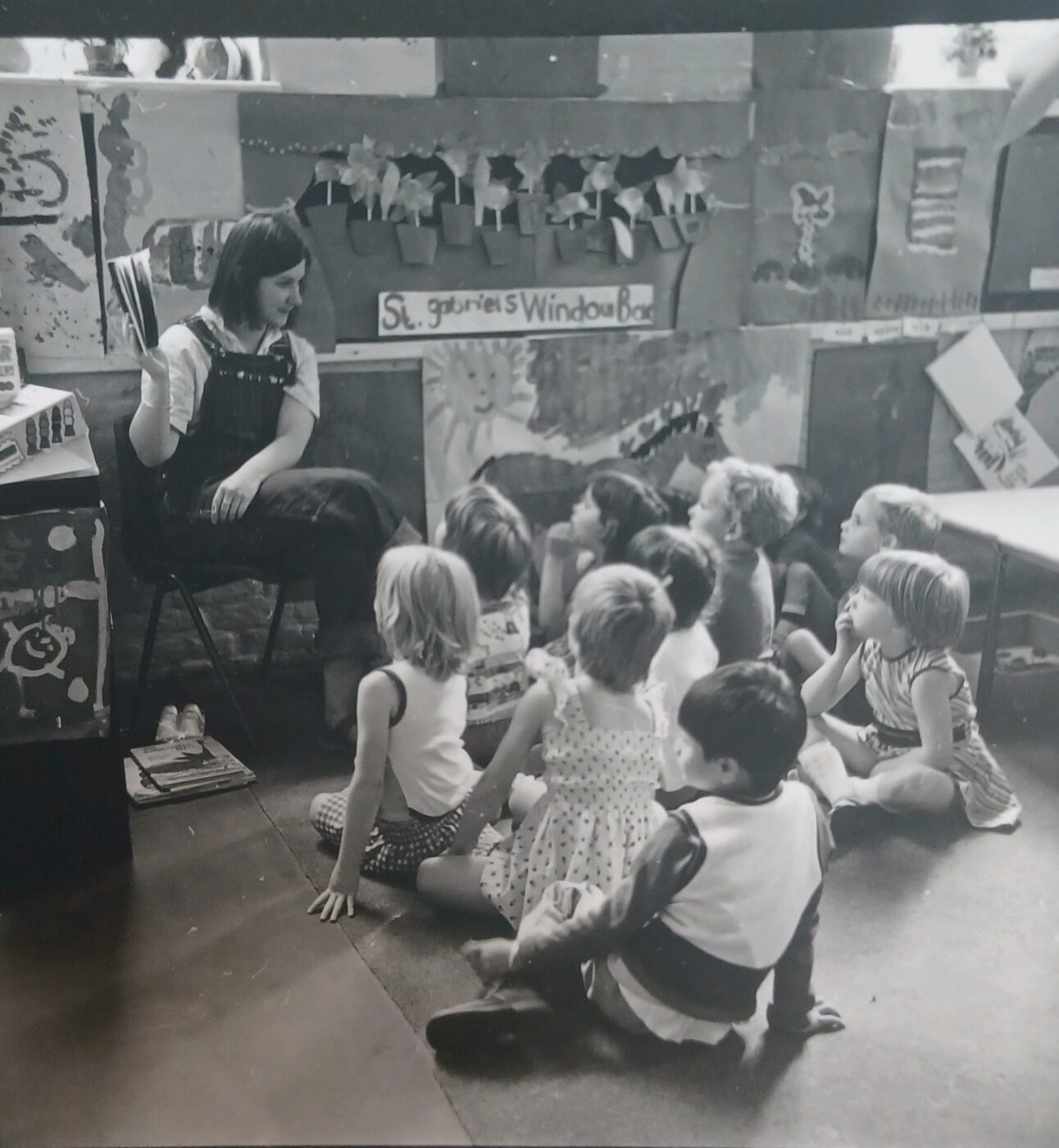
Early years settings often do extraordinary work in supporting children with SEND.
We observe carefully. We build strong relationships. We adapt environments and routines. We use play, communication, consistency and co-regulation to help children thrive.
In many ways, the early years sector remains one of the most inclusive parts of the education system.
Children are supported as individuals rather than expected to fit a rigid model. Practitioners understand that development is rarely linear and that every child arrives with a unique set of experiences, strengths and needs.
This approach is not only effective for children with SEND. It benefits all children.
What Happens When Children Move from Nursery to School?
Catherine spoke movingly about the heartbreak early years professionals often feel when children who have flourished in nursery move into school only to face reduced timetables, environments unable to meet their needs or, in some cases, exclusion from meaningful participation altogether.
This transition highlights a difficult question:
Why are we asking children to adapt so dramatically to school environments, rather than adapting schools to better support children?
For many families, this is where the promise of inclusion begins to break down.
Should Schools Be More Like Early Years?
Catherine’s challenge was simple but powerful: perhaps schools need to become a little more like early years.
The evidence is clear that play-based learning remains highly effective well beyond Reception. Yet we continue to treat early years education as preparation for “real learning” rather than recognising it as high-quality educational practice in its own right.
If we value inclusion, child development and belonging, we should be paying closer attention to what early years pedagogy teaches us.
What if schools embraced more flexibility, stronger relationships, greater responsiveness and a deeper understanding of child development?
What if educational systems were designed around children’s needs rather than expecting children to fit existing structures?
Building a More Inclusive Education System
Creating a truly inclusive education system will require courage.
It will require policymakers, schools and wider society to value early years practice more seriously. It will require investment in SEND provision and support services. Most importantly, it will require us to see SEND not as a siloed issue, but as part of a wider conversation about fairness, belonging, child development and social justice.
The rise in SEND need is one of the defining challenges facing education today.
But it is also an opportunity to rethink what inclusion really means and what kind of education system we want to build for future generations.
It is a bigger conversation than people often assume.
And one we can no longer afford to avoid.
Listen to the full podcast conversation with Catherine Mole on Talking Early Years.
Frequently Asked Questions
What does SEND mean?
SEND stands for Special Educational Needs and Disabilities. It refers to children and young people who require additional support to learn, communicate, access education or participate fully in everyday activities.
Why are SEND needs increasing?
There is ongoing debate about why more children are presenting with SEND. Contributing factors may include the impact of COVID-19, poverty, family stress, speech and language delays, changing diagnostic practices and increased awareness of additional needs.
Why is SEND considered a social justice issue?
Many children with SEND face barriers linked to poverty, inequality, limited access to support services and wider social challenges. Addressing SEND effectively requires tackling these broader issues alongside educational provision.
How do early years settings support children with SEND?
Early years settings support children through observation, personalised learning, play-based approaches, communication strategies, adapted environments and strong relationships with families and professionals.
Why is inclusion important in early years education?
Inclusive early years education helps all children feel valued, supported and able to participate fully. It promotes positive development, wellbeing, confidence and better long-term educational outcomes.
What can schools learn from early years practice?
Schools can learn from early years approaches that prioritise child development, play-based learning, strong relationships, flexibility and responsive support tailored to individual needs.