
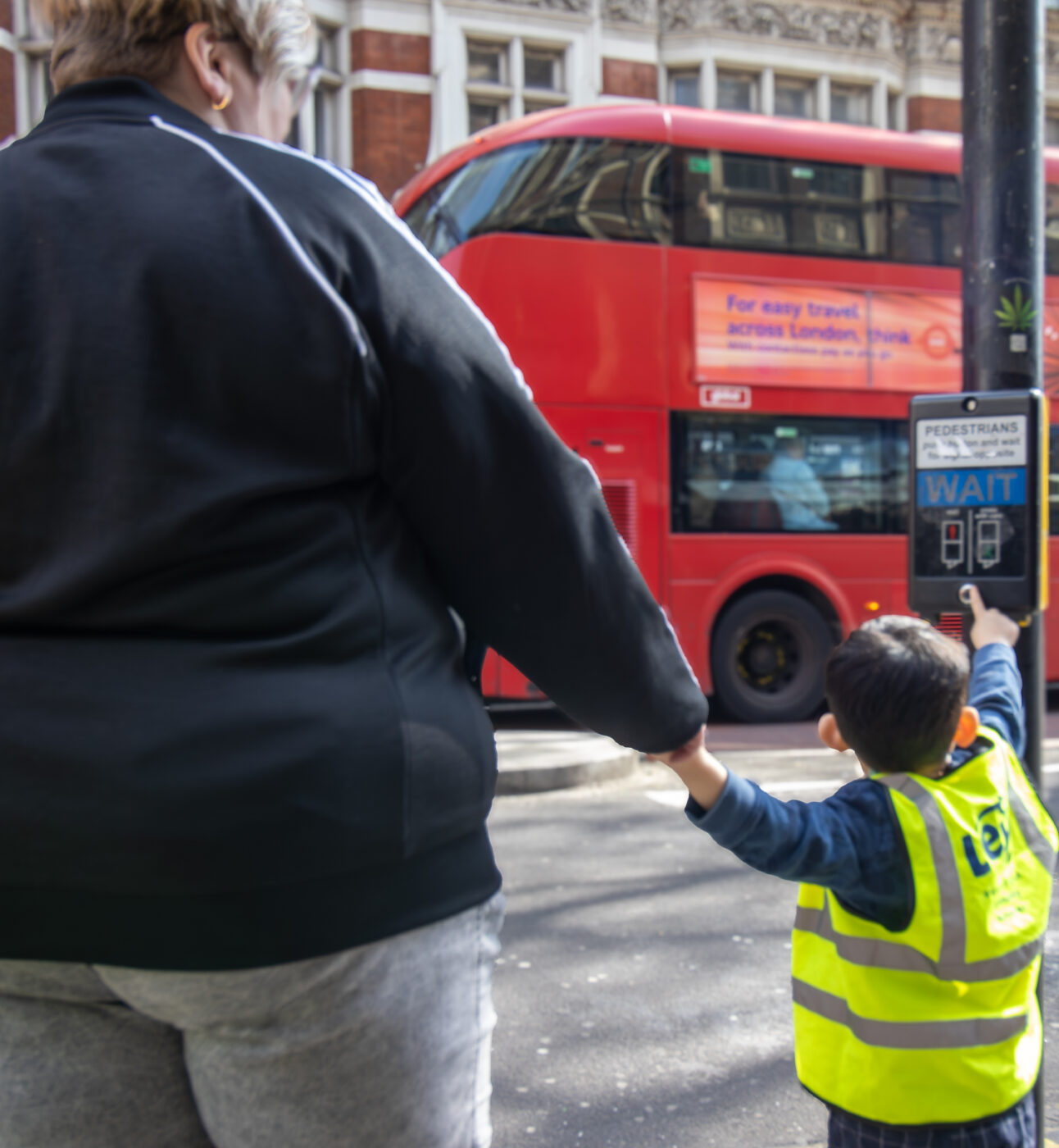
What are our children breathing?
We spend a great deal of time in Early Years thinking about what children eat, what they drink, how much they move and whether they spend enough time outdoors.
September 30th 2026
Zoe Raven’s Sustainability in the Early Years: An Essential Guide for Educators, written with Santa Svike and Becky Watanabe, felt very familiar to me because much of their approach reflects how we have been trying to anchor sustainability across LEYF.
You can also explore the ideas from the book in the slides here, or watch our discussion with Zoe on Youtube where we explore some of these ideas in more detail.
It is an accessible, well-laid-out book, full of practical examples and ideas you can actually use. Chapters end with questions for reflection and discussion, and there are plenty of activities, from treasure seeking and bargain finds to making cress heads, DIY bug-finding kits, wormeries, composting, pollinator gardens and vegetable gardens. Nothing overly complicated, which is rather the point. Sustainability needs to become part of everyday nursery life rather than another grand initiative sitting on a shelf.
I particularly liked the reference to Claire Warden’s thinking about indoors, outdoors and beyond. That beyond matters. Sustainability cannot stop at the nursery gate. It is about helping children and educators notice and understand their relationship with the wider community and environment. I was also delighted to see Avril McDonald’s The Perfect Pawse, a book we have enjoyed using at LEYF to introduce yoga, stretching and wellbeing with children.
What makes this book useful is that you can start wherever you are. If sustainability is already well developed in your setting, there will be ideas to apply and adapt. If you are staring at the word sustainability wondering where on earth to begin, this is a very good place to start.
I would perhaps have liked a little more clarity around the three pillars of sustainability: environmental, social and economic. All three are present in the examples but making that architecture more explicit would help educators understand that sustainability is much broader than gardening, recycling and being green.
The final chapter looks at how to make sustainability stick, or what we at LEYF would call anchoring the change. The authors suggest Eco Leads and workshops to develop sustainability across the setting, approaches we have also found valuable. This is particularly timely as settings think about Climate Action Plans and how good intentions become sustained practice.
And I liked the ending. Celebrate what you achieve. We can become so busy looking for the next thing to fix that we forget to notice how far we have travelled. Every sensible change counts.
So, a practical, encouraging and very usable book. If you want to make your nursery more sustainable but don’t quite know where to start, start here.
We spend a great deal of time in Early Years thinking about what children eat, what they drink, how much they move and whether they spend enough time outdoors.

Even in a digital age, nobody goes to a good conference without a notebook. I spent three days at the 34th EECERA Conference at the University of Madeira…
One of the great pleasures of our Action for Sustainability Community of Practice is that it brings together educators, researchers and leaders from across the world who are asking…