
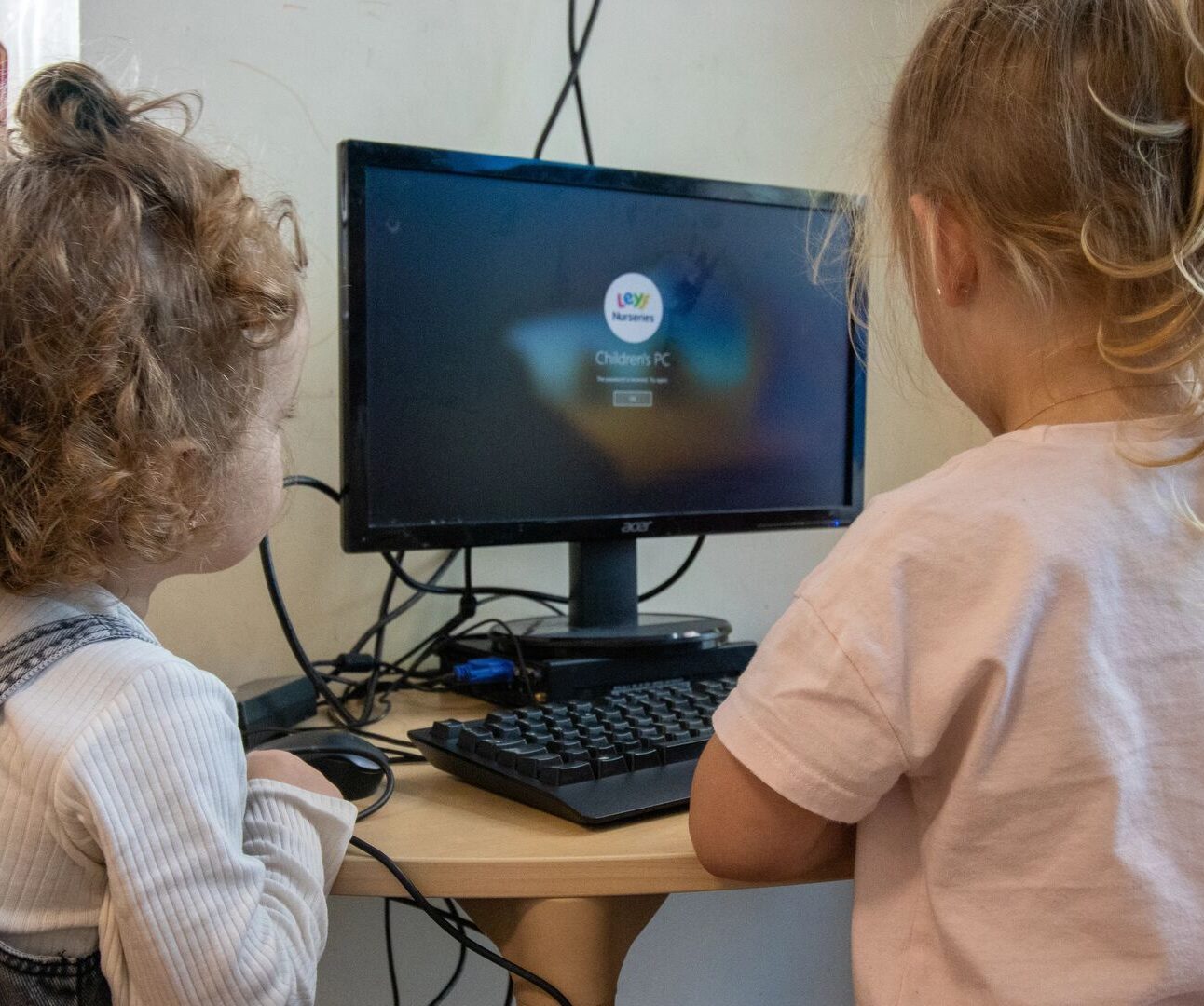
AI: Are We Being Left Behind or Led Up the Garden Path?
AI is everywhere, apparently. Every conference, every policy announcement and every other LinkedIn post tells us it will transform how we live and work. Depending on who you listen to,…
June 8th 2026
We spend a great deal of time talking about pedagogy, curriculum, leadership and workforce in the Early Years. Yet we talk far less about the buildings themselves. The rooms children move through each day. The corridors, gardens, nappy areas, entrances, quiet corners and shared tables where learning, relationships and identity are quietly shaped.
That is why I wrote Nursery by Design.
This is not simply a book about beautiful nurseries, Instagrammable aesthetics or importing overseas ideas into a UK context. Those conversations matter, but they are not enough. Nursery by Design asks a different question:
How can nursery environments actively create fairness, belonging, wellbeing and better outcomes for children and families?
Because environments are never neutral. They can communicate welcome or exclusion. Calm or stress. Curiosity or control. They can support movement, conversation, participation and independence, or unintentionally restrict them. Design choices shape how children see themselves, how adults behave and how communities connect.
At LEYF, we have learned this through lived experience across more than forty nurseries serving diverse London communities. We know what it means to design within constrained budgets, ageing buildings, tight urban footprints and the realities of public service delivery.
This book emerges from that practice. Its focus is social justice design in Early Years education. That means seeing the nursery environment not simply as the “third teacher”, but as part of the infrastructure of equity.
A socially just nursery environment considers who belongs, who participates and who may be unintentionally excluded. It thinks about accessibility, sensory regulation, movement, language, culture, sustainability and emotional safety. It recognises the nursery as a community space, not just a childcare service.
It also treats sustainability seriously. Not as decorative plants and neutral tones, but as something embedded into everyday life through materials, food, energy use, biodiversity, reuse, relationships and community connection.
In a world marked by inequality, climate pressure and growing concern about children’s wellbeing, we cannot afford to think of nursery design as a cosmetic extra.
Good design is pedagogy.
Good design is leadership.
Good design is social justice in action.
When Early Years environments are thoughtfully designed, they support child development, wellbeing, inclusion, independence and stronger relationships between families, educators and communities.
My hope is that Nursery by Design helps leaders, educators, Early Years Teachers, architects, policymakers and communities learn to see nursery spaces differently. Because once you understand that environments teach, you can never quite walk through a nursery in the same way again.
We would be delighted if you joined us at the launch event next month to continue the conversation about how we create Early Years environments that do more than look good.
Together, we will explore how nursery design can improve children’s wellbeing, support learning and development, strengthen communities and build a fairer future by design.
Order your Nursery by Design book now
Nursery by Design explores how nursery environments influence child development, wellbeing, inclusion, belonging and social justice. It examines how thoughtful design can improve outcomes for children, families and communities.
The physical environment shapes how children learn, interact, move, communicate and develop independence. Well-designed nursery spaces can support wellbeing, accessibility, inclusion and positive learning experiences.
A socially just nursery environment considers accessibility, participation, culture, language, sensory needs, sustainability and emotional safety. It aims to ensure all children and families feel welcomed, represented and able to thrive.
The book is relevant for nursery leaders, Early Years Teachers, educators, architects, designers, policymakers, local authorities and anyone interested in creating better learning environments for young children.
Sustainable nursery design goes beyond aesthetics. It includes responsible use of materials, biodiversity, food education, energy use, reuse and community engagement, helping children develop a meaningful connection with the world around them.
AI is everywhere, apparently. Every conference, every policy announcement and every other LinkedIn post tells us it will transform how we live and work. Depending on who you listen to,…

Even in a digital age, nobody goes to a good conference without a notebook. I spent three days at the 34th EECERA Conference at the University of Madeira…
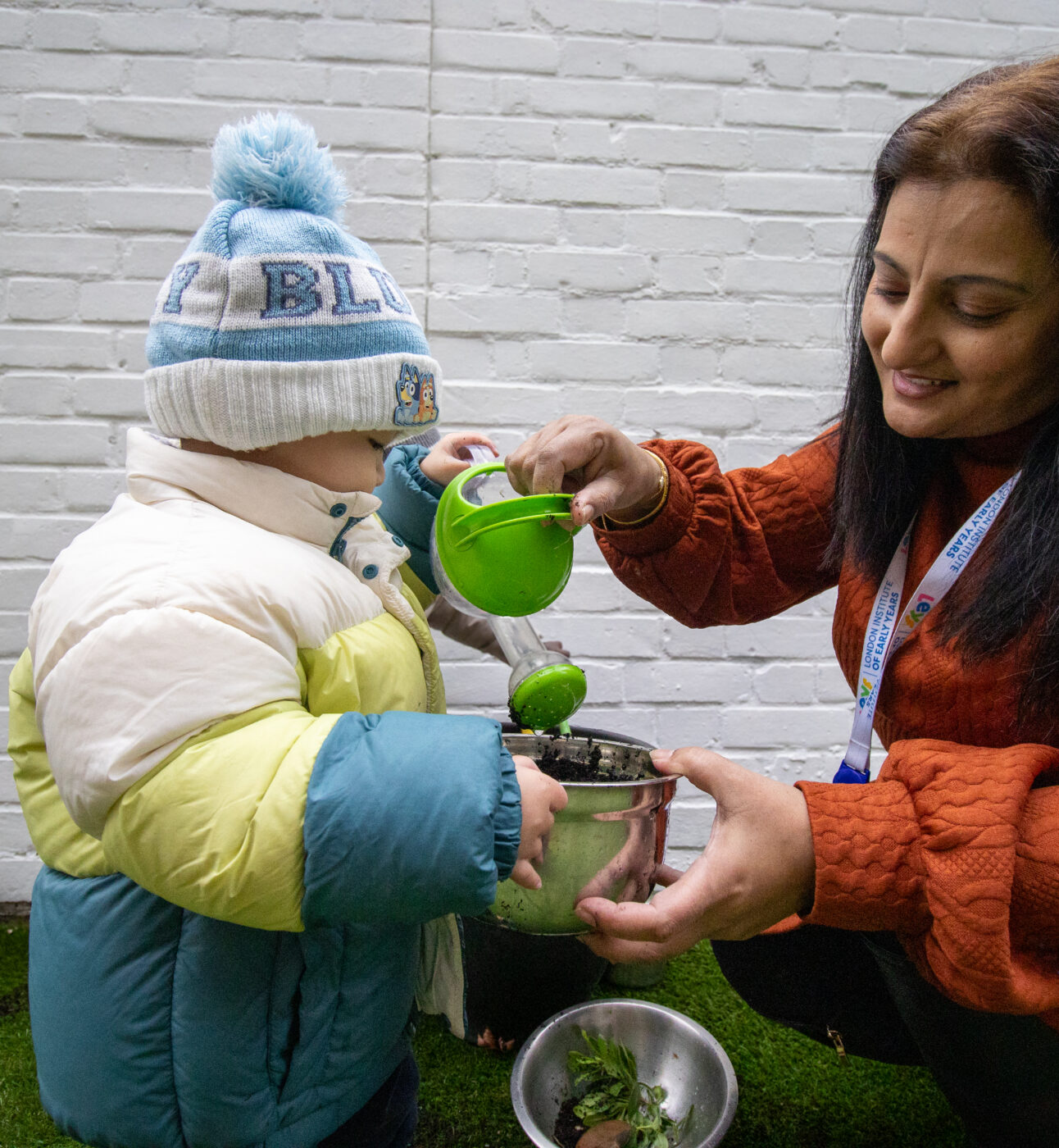
Thirty years ago, Elinor Goldschmied and Sonia Jackson chose a title that still resonates today: People Under Three. Three simple words that quietly transformed the way many of us…