
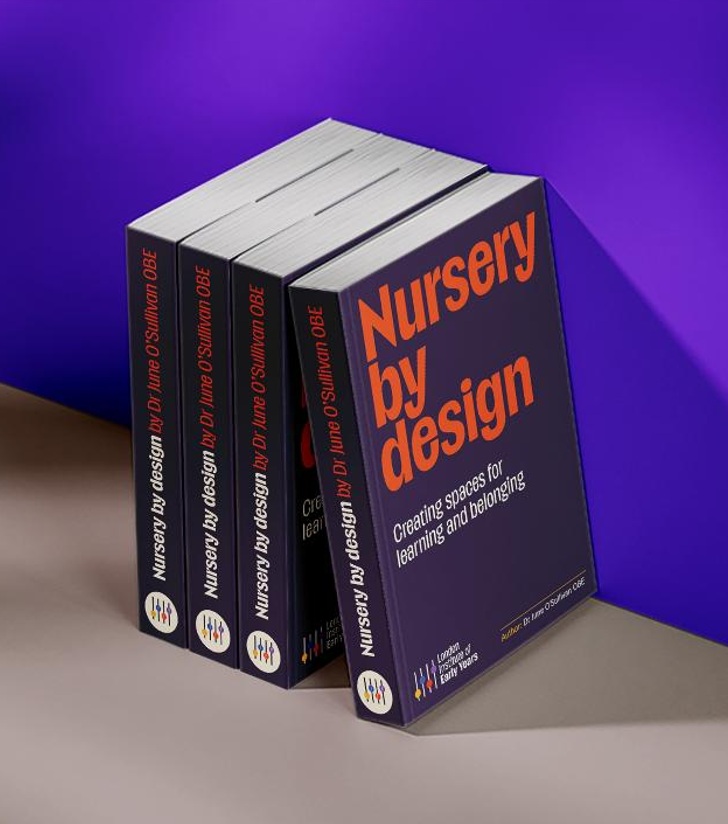
Nursery by Design – A Book Born from Small Steps
The idea for this book began many years ago with my own daughter. Like many young children, she found saying goodbye in the morning difficult. She wanted one last wave…
July 24th 2026
Thirty years ago, Elinor Goldschmied and Sonia Jackson chose a title that still resonates today: People Under Three. Three simple words that quietly transformed the way many of us think about babies. Before they are learners, before they are “developing”, before they are measured against milestones, they are people first. To me, they are also our youngest citizens. They have feelings, agency, preferences, relationships and rights.
That same philosophy runs through Being with Babies: Establishing a Sense of Belonging in Early Childhood Settings, edited by Amanda Norman and Caroline Guard.
This is not a book of activities or developmental checklists. It is a thoughtful exploration of what it really means to be with babies. That small word, with, carries enormous significance. It asks us to move beyond doing things to babies and instead become respectful companions in their earliest explorations of the world.
What particularly resonated with me were five ideas woven throughout the book.
The book reminds us that babies deserve relationships built on respect, not simply care. Being alongside a baby requires us to notice, listen and respond, rather than assume. It challenges us to slow down and truly see each child as an individual.
The book amplifies babies’ voices by recognising that every behaviour, expression and interaction is communication. Instead of directing or facilitating activities, adults are invited to become careful observers, responding thoughtfully to what babies are telling us in the many ways they can.
It also embraces Jools Page’s important work on Professional Love. That takes courage.
Love has often been viewed as too personal for professional practice, yet this book demonstrates that warm, emotionally attuned relationships, held within clear professional boundaries, are central to high-quality early years pedagogy. Babies flourish when they feel emotionally secure, valued and understood.
Belonging is explored as something shaped by culture, identity and community. Babies do not simply enter our settings. They bring families, histories and ways of being that deserve recognition and respect.
Creating a genuine sense of belonging in early years means acknowledging the whole child and the community they come from, rather than expecting them to fit neatly into our routines.
Finally, the book recognises something that is often overlooked. Adults need somewhere to think.
Working with babies is emotionally demanding as well as deeply rewarding. Reflective professional conversations are not a luxury. They are an essential part of excellent pedagogy, enabling educators to continually develop their understanding and strengthen their practice.
Reading the book also reinforced something I have come to believe through my own research and later explored in Nursery by Design. Belonging is not created by relationships alone. The environments we design matter just as much.
Spaces communicate welcome, dignity and security long before children understand our words. Thoughtfully designed nursery environments and emotionally available adults work together to help babies feel that they matter.
When we pay attention to both relationships and the physical environment, we create places where babies feel safe enough to explore, connect and grow.
As the early years sector adapts to caring for increasing numbers of babies, it would be easy to focus solely on places, staffing and funding. These are undoubtedly important, but this book gently reminds us that the most important question may simply be:
What does it feel like to be a baby in our care?
If we can answer that honestly, we are well on the way to creating places where every baby truly belongs.
Congratulations to Amanda Norman, Caroline Guard and all the contributors. You have produced a thoughtful, compassionate and quietly challenging book that deserves a wide readership. It will encourage early years educators, leaders and researchers alike to stop, reflect and see babies not simply as future learners, but as people, here and now.
If you care about creating a genuine sense of belonging for babies, this is a book well worth reading.
The idea for this book began many years ago with my own daughter. Like many young children, she found saying goodbye in the morning difficult. She wanted one last wave…
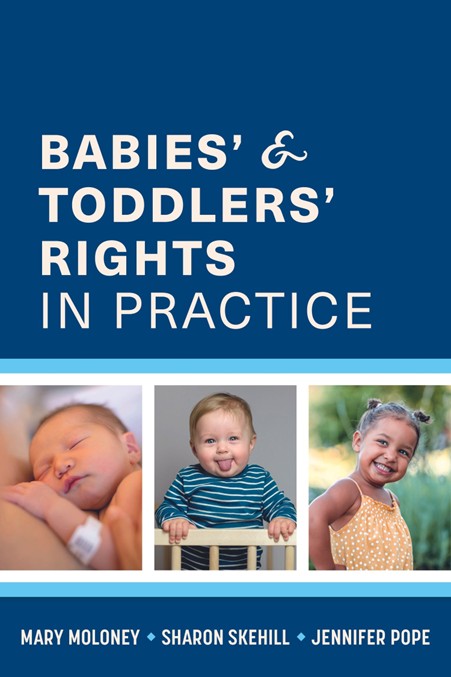
There are some books that arrive at exactly the right moment, and Babies’ and Toddlers’ Rights in Practice by Mary Moloney,…
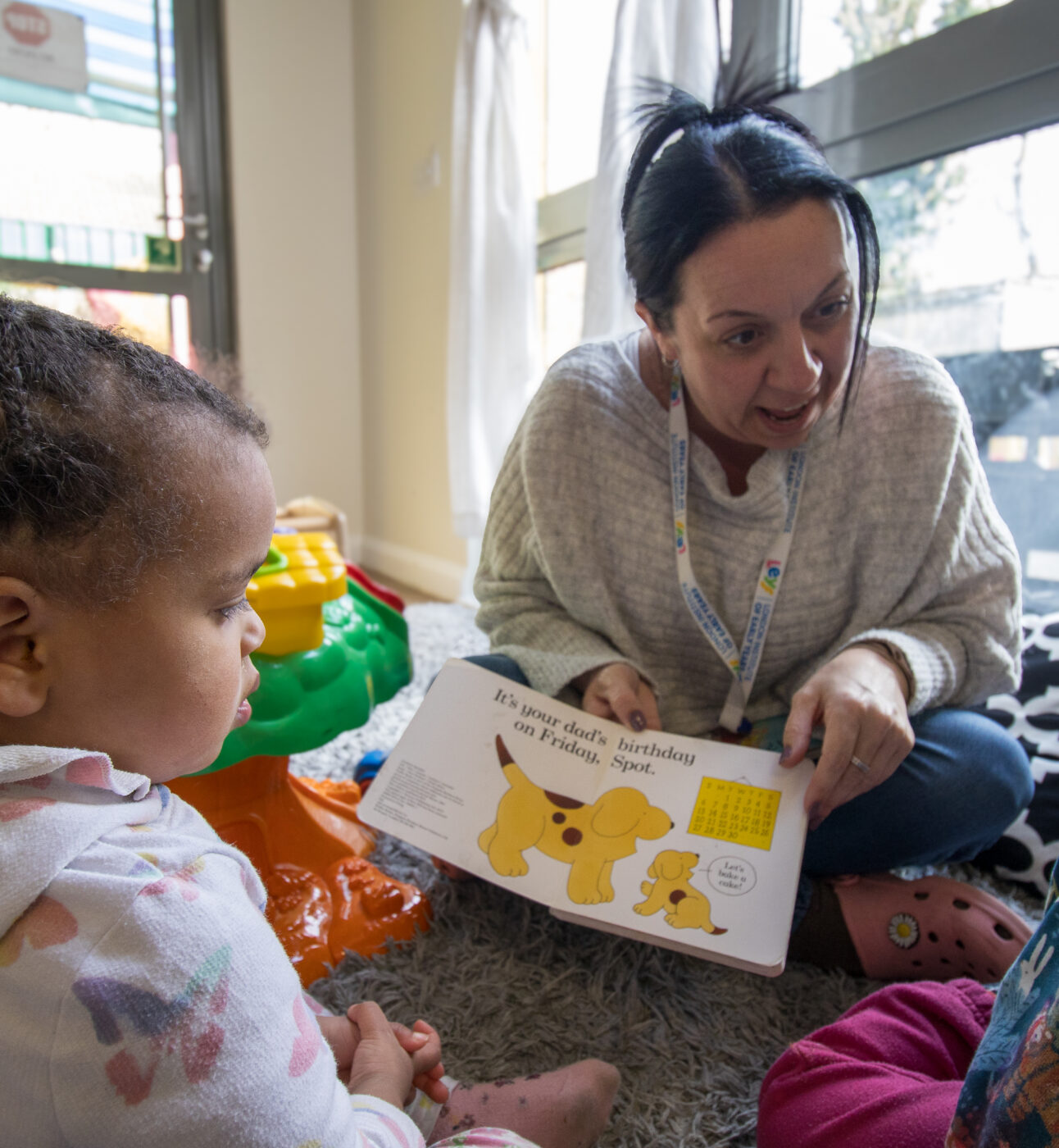
Last week, we were delighted to welcome Helen Hayes MP to the Upper Norwood Library Hub, where I have the privilege of serving as a Trustee. Helen is our local…