
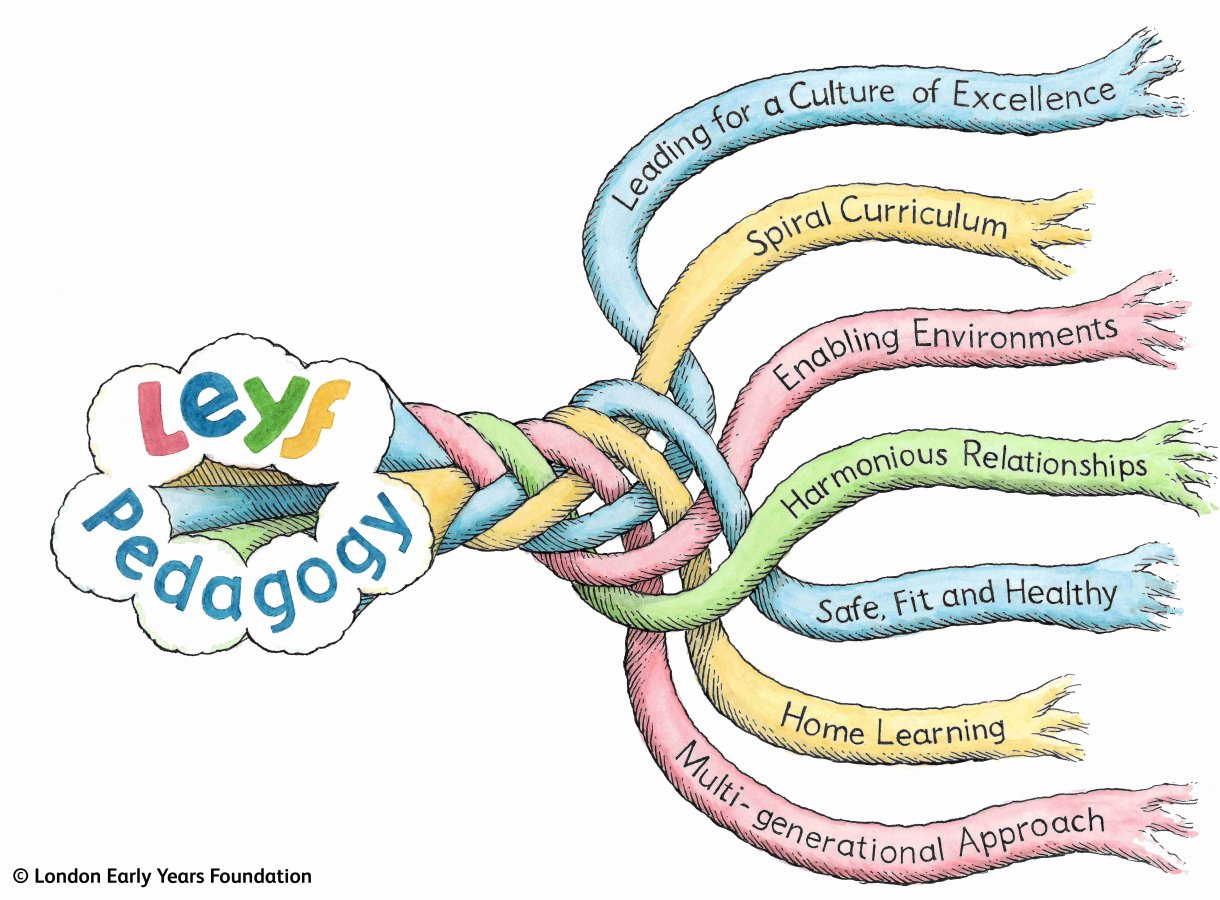
Christmas Advent Blog – The Birmingham Pedajolly on the Pedagogy Fun Train
Last week I went on a Pedajolly to Birmingham to the Nursery World Conference with two colleagues. Ben who leads the LEYF Training Academy and Jean who manages a…
August 14th 2026
I have always liked a good conference. Not necessarily because I want to sit in a chair all day being talked at. In fact, that is probably my definition of a bad one. What I value is what happens around the edges: the conversation sparked by a speaker, the argument over coffee, the idea scribbled in a notebook and the colleague who says, “We could try that.”
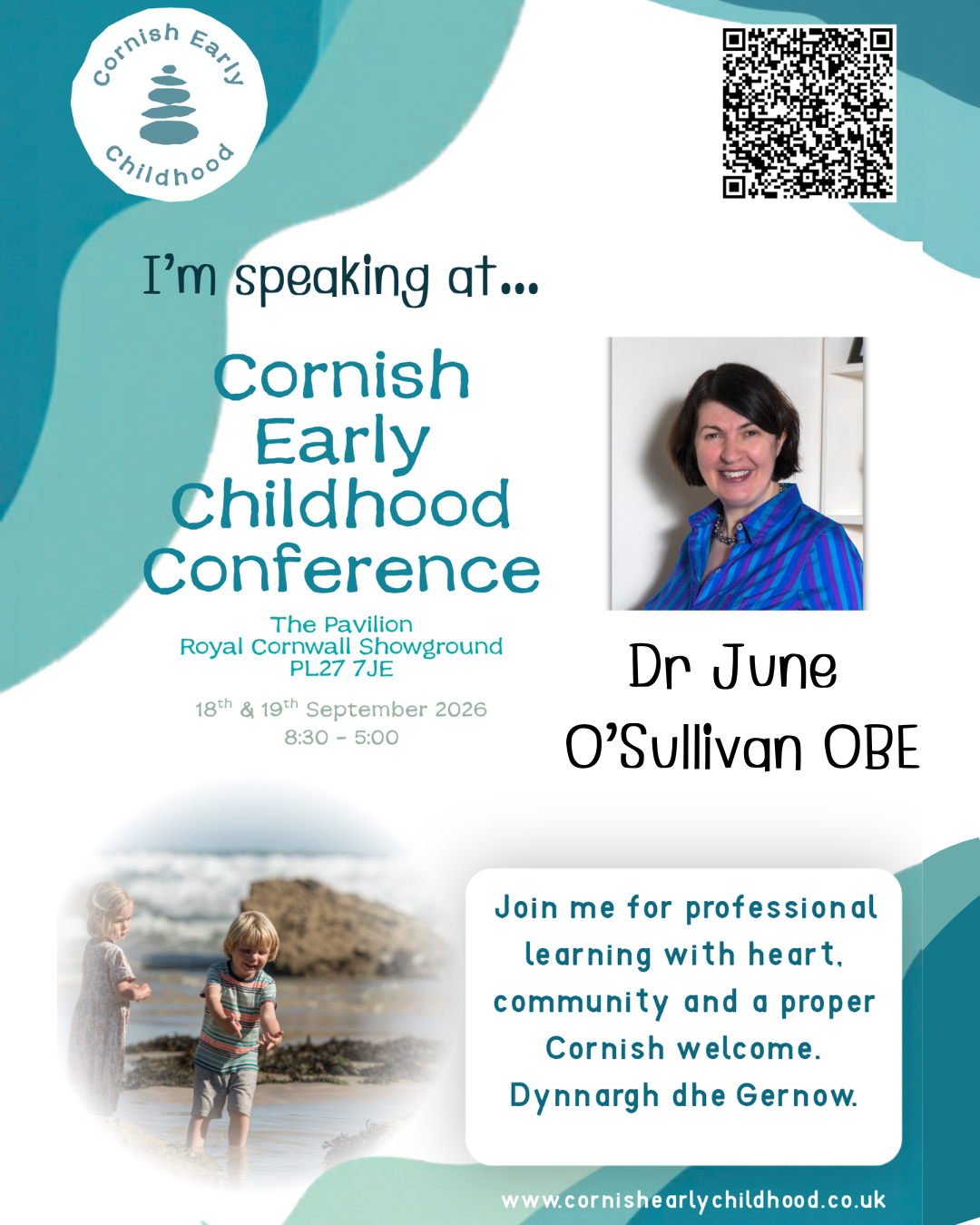
That’s why I am going to the Cornish Early Childhood Conference in September.
In Early Years, professional development is often squeezed between the demands of the nursery day. There is training to complete, qualifications to achieve, webinars to watch and meetings to attend. All are important. But sometimes we need to physically step away from the familiar to give ourselves enough distance to think about it.
I have been researching this through a small exploratory study of Early Years teachers and educators attending a residential professional learning programme. I wanted to know whether going away actually added anything to their learning.
Interestingly, participants rarely talked only about what they had been taught. They talked about time, place, relationships and conversation. They valued uninterrupted time to think, the opportunity to return to a conversation later and the informal exchanges that continued over meals, walks and cups of tea. Getting away gave them some distance from the operational noise of everyday practice.
That matters because learning is not simply the accumulation of information. Professional learning needs time to settle, be questioned and connect with what we already know. It needs conversation.
Conferences can create exactly this opportunity.
A speaker may provide the stimulus, but often the learning happens afterwards. Someone challenges your interpretation. Another person describes what happens in their nursery. You hear an idea that unsettles something you have been doing for years. Suddenly a familiar problem looks slightly different.
That is why I have long argued for stronger pedagogical conversations across the Early Years. We need teachers and educators who read, question, debate and connect theory, research and practice. Quality cannot be reduced to a checklist of activities or an inspection judgement. It is created through the thousands of decisions educators make every day.
And ultimately, quality has to be experienced by the child.
Does the child feel safe and loved? Do they belong? Are they listened to? Are they curious? Can they investigate, take sensible risks, make friends, develop language, encounter ideas and experience the sheer pleasure of discovering something they did not know yesterday?
Those experiences do not happen accidentally. They depend on knowledgeable, thoughtful and confident adults.
Indeed, the Cornish approach makes the point explicitly: a strong, knowledgeable and well-supported team is essential to delivering high-quality Early Childhood Education.
This is why investing in teachers and educators is not separate from investing in children. The quality of the child’s experience is inseparable from the quality of the adults’ thinking around them.
At LEYF, we talk about professional learning through the 4Cs: Credible Cognition, Compassionate Conversations, Compassionate Coaching and Communities of Practice. The principle is simple: knowledge matters, but knowledge needs conversation, challenge, reflection and collective learning if it is going to influence practice.
A good conference can provide all four.
It also does something less measurable but equally valuable. It reconnects people with their profession. I have previously taken LEYF colleagues to conferences and watched them return not simply with new ideas but with renewed pride in being Early Years educators. Getting beyond your own organisation reminds you that you are part of a much larger professional community.
Of course, sending people to conferences costs money. There is travel, cover, tickets and time away from the nursery. In a sector operating on painfully tight margins, it can look like an indulgence.
Perhaps we need to turn that question around.
If we expect teachers and educators to drive quality, when exactly are we giving them the time and space to think deeply about quality?
My residential research is beginning to make me wonder whether we spend too much time designing the content of professional development and not enough time designing the conditions for learning. Protected time, thoughtful environments, professional trust, sustained conversation and opportunities to continue relationships afterwards may matter more than we have recognised.
So, Cornwall is more than a conference for me. It is another opportunity to test that idea.
Perhaps occasionally getting away from the nursery helps us return to it seeing more clearly. And if we want curious, reflective and thoughtful children, surely we need to make sure the adults teaching them have opportunities to be curious, reflective and thoughtful too.
The Cornish Early Childhood Conference 2026
📅 Friday 18 and Saturday 19 September 2026
📍 The Pavilion, Royal Cornwall Showground, Wadebridge
Last week I went on a Pedajolly to Birmingham to the Nursery World Conference with two colleagues. Ben who leads the LEYF Training Academy and Jean who manages a…
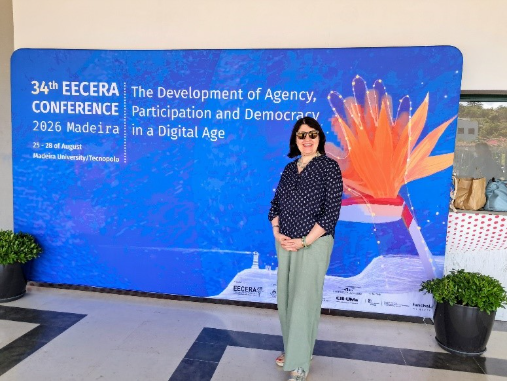
Even in a digital age, nobody goes to a good conference without a notebook. I spent three days at the 34th EECERA Conference at the University of Madeira…
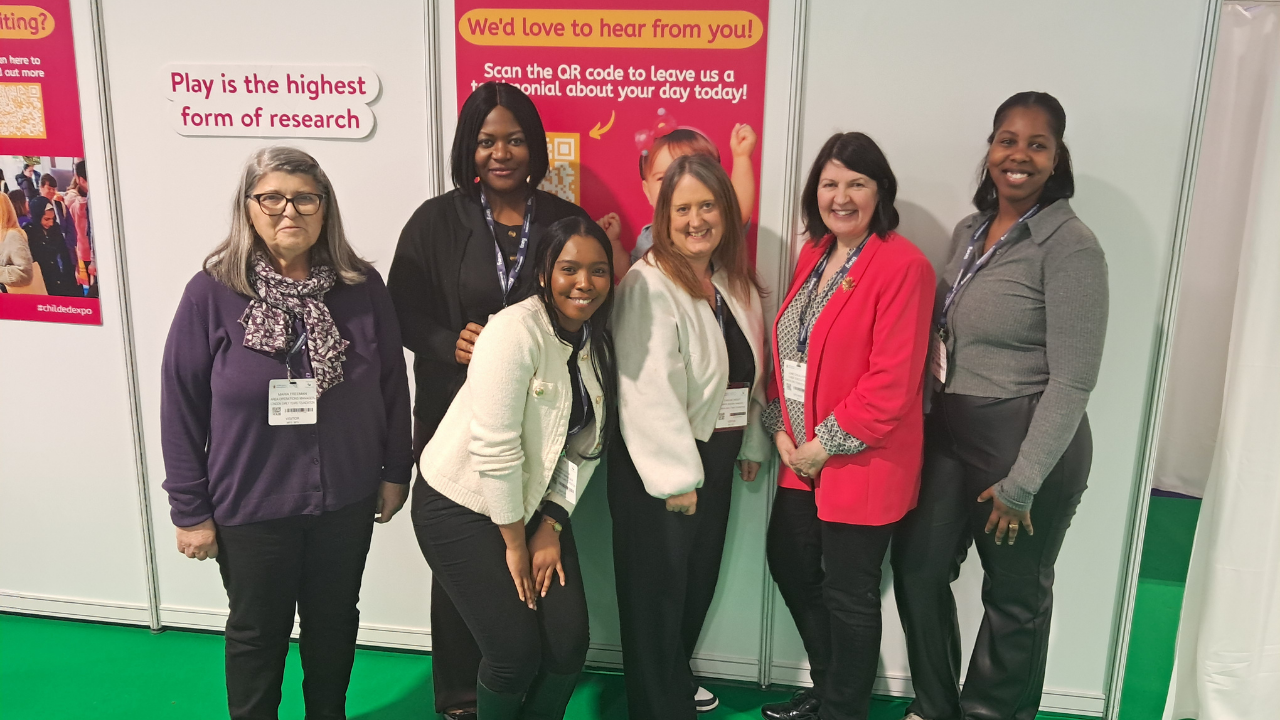
I was delighted to sit on a panel at the Childcare Expo to discuss artificial intelligence (AI), a subject that has been gathering momentum across the media, not least…