
AI, Care and the Curriculum: Where Should We Draw the Line?
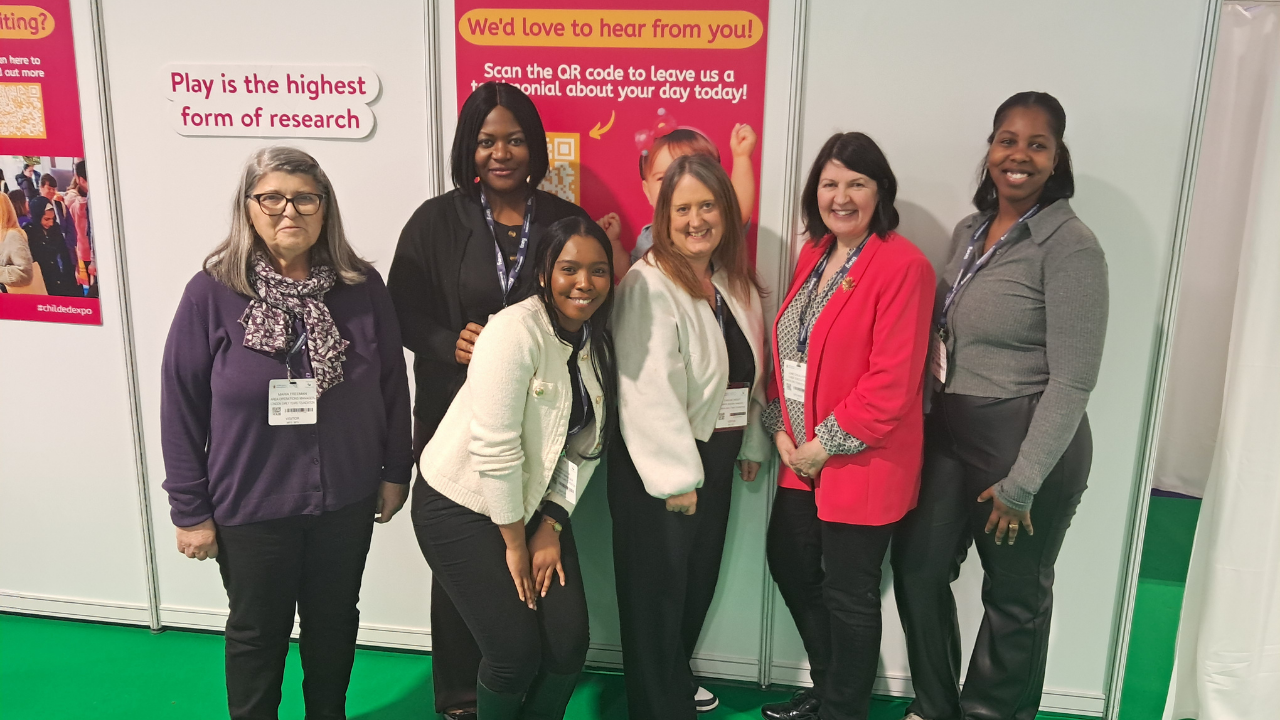
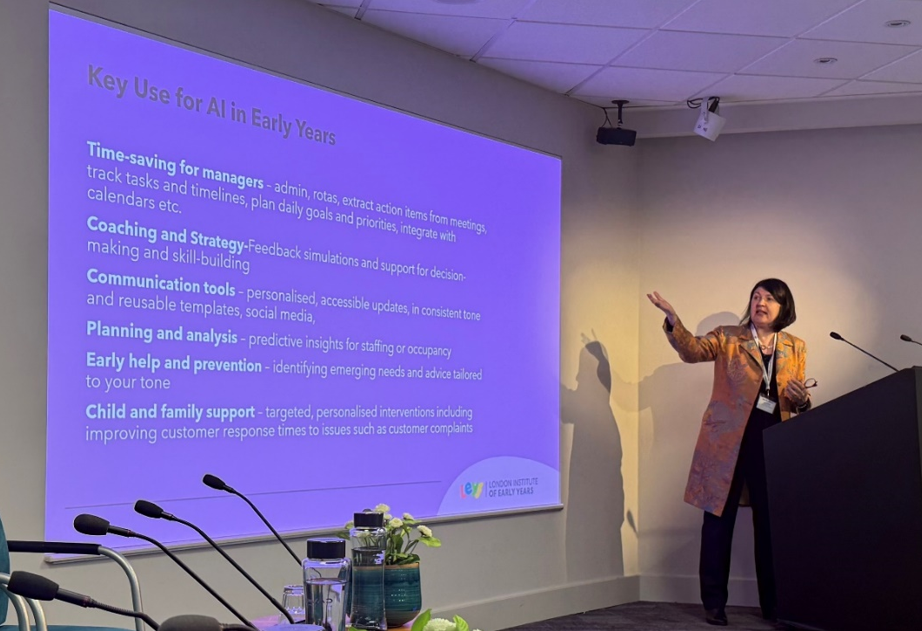
I was delighted to sit on a panel at the Childcare Expo to discuss artificial intelligence (AI), a subject that has been gathering momentum across the media, not least…
December 3rd 2025
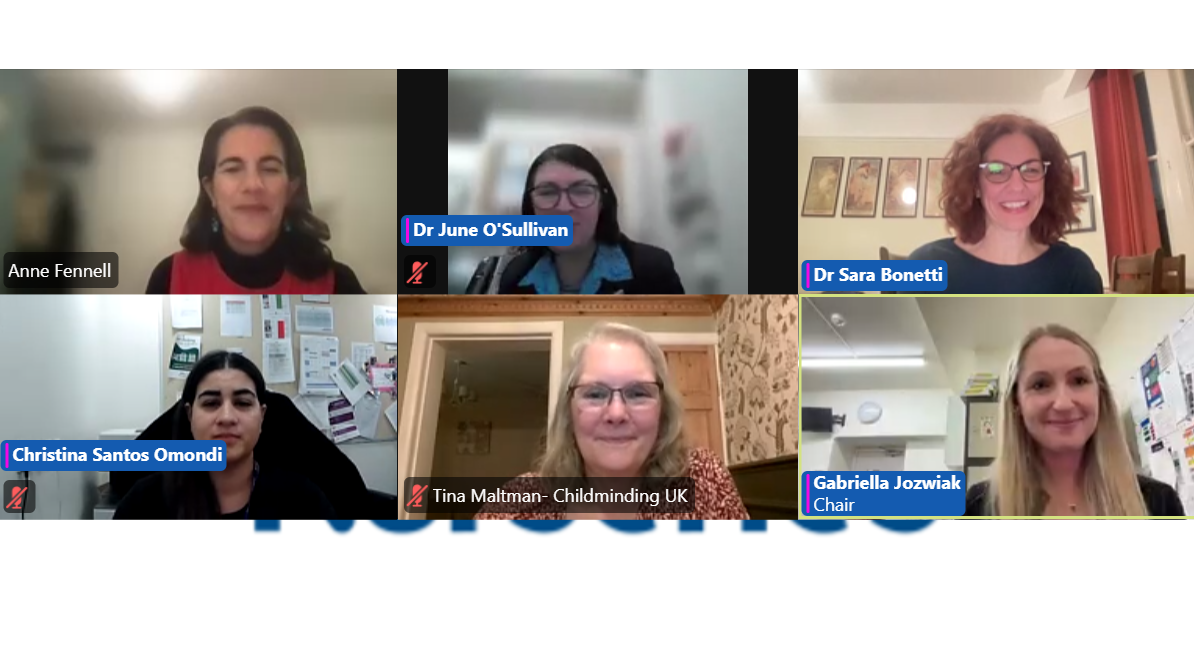
The annual Margaret Horn debate always tries to lead a brave conversation, and this was no different. In its 19th year, we were joined by Tina Maltman – CEO of the UK Childminding Association, Anne Fennell – Chair of Mothers at Home Matter, Sara Bonetti – Researcher on the Baby Room project and Christina Santos Omondi – LEYF manager who leads a nursery with a busy Baby Room which was also attended by her daughter. The debate was hosted by freelance journalist Gabriella Jozwiak, herself a working mother. We also had a guest appearance from Greg Lane, Nursery Manager of the LEYF Soho Nursery from where the debate was broadcasted.
The question addressed the tension created by the Government’s policy decision to fund childcare to address labour market pressures by enabling more women into work, versus what is best for babies aged nine months. We explored this from the parent perspective, the childminding option and the nursery space.
The debaters did not get stuck within their own battle lines, recognising the principle of parental choice and that home care can be improved with the support of childcare. Anne Fennell noted that 68 percent of mothers want to stay at home but feel that there is a stigma to choosing not to work outside the home, especially as we live in a two-person economy. There is a sense that childcare is a burden but raising children is an important job. Tina worried about the drop in childminder numbers which limits parents’ choice for a more homely option for their child, and nurseries struggle with recruiting staff to lead baby rooms which is also an issue for parent choice. There was a suggestion that if funding genuinely followed the child, families could make decisions based on their values, circumstances, and their baby’s temperament, not on which provider is subsidised.
Exploring the options for childcare was interesting, especially when put within the context of the Baby Room research co-led by Sara Bonetti which confirmed that babies have a right to consistent, attuned, loving and relational care. There was a strong reminder that babies need familiar adults who understand infant development and who have baby antennae, constantly attuned to the emotional vibrations of the baby room, sensing any discontent and acting to maintain their serenity. In a setting, a humane key-person system really matters and babies can form secondary attachments. Working with babies is emotionally intense because you need to tolerate crying and be able to regulate yourself so babies can co-regulate, crying is a signal not a nuisance and you need to have the capacity to be consistently emotionally available, because babies have the right not to be left crying. Babies need slow, attentive, respectful routines where the care routines shape the curriculum. Unsurprisingly, there was huge agreement for well trained staff who understand the art, craft and science of caring for and teaching babies.
No debate about the Early Years can avoid talking about underfunded, overstretched services led by staff who are compassionate, committed, and desperate to do the right thing but too often low paid and under-valued and not trained. They are passionate about babies, but passion is not a replacement for knowledge.
If we cannot guarantee these, then we are not truly committed to babies, just committed to filling places – and perhaps that is the truth we are most afraid to say aloud. Babies do not need perfection, but they do need protection. They need adults who understand them, who delight in them, who know what their cries mean, who create safety not by chance but by knowledge, reflection and presence. If we ask families to part with their babies at nine months, then we owe them more than availability. We owe them excellence. We owe them love made visible through practice. We owe them the courage to put babies’ needs before convenience, before politics, and before economic calculation. They cannot speak for themselves, so we must speak for them. If not us, then who.
I was delighted to sit on a panel at the Childcare Expo to discuss artificial intelligence (AI), a subject that has been gathering momentum across the media, not least…
Why read this article? Understand why artificial intelligence is becoming an important issue for the Early Years sector Reflect on the relationship between AI, care and…
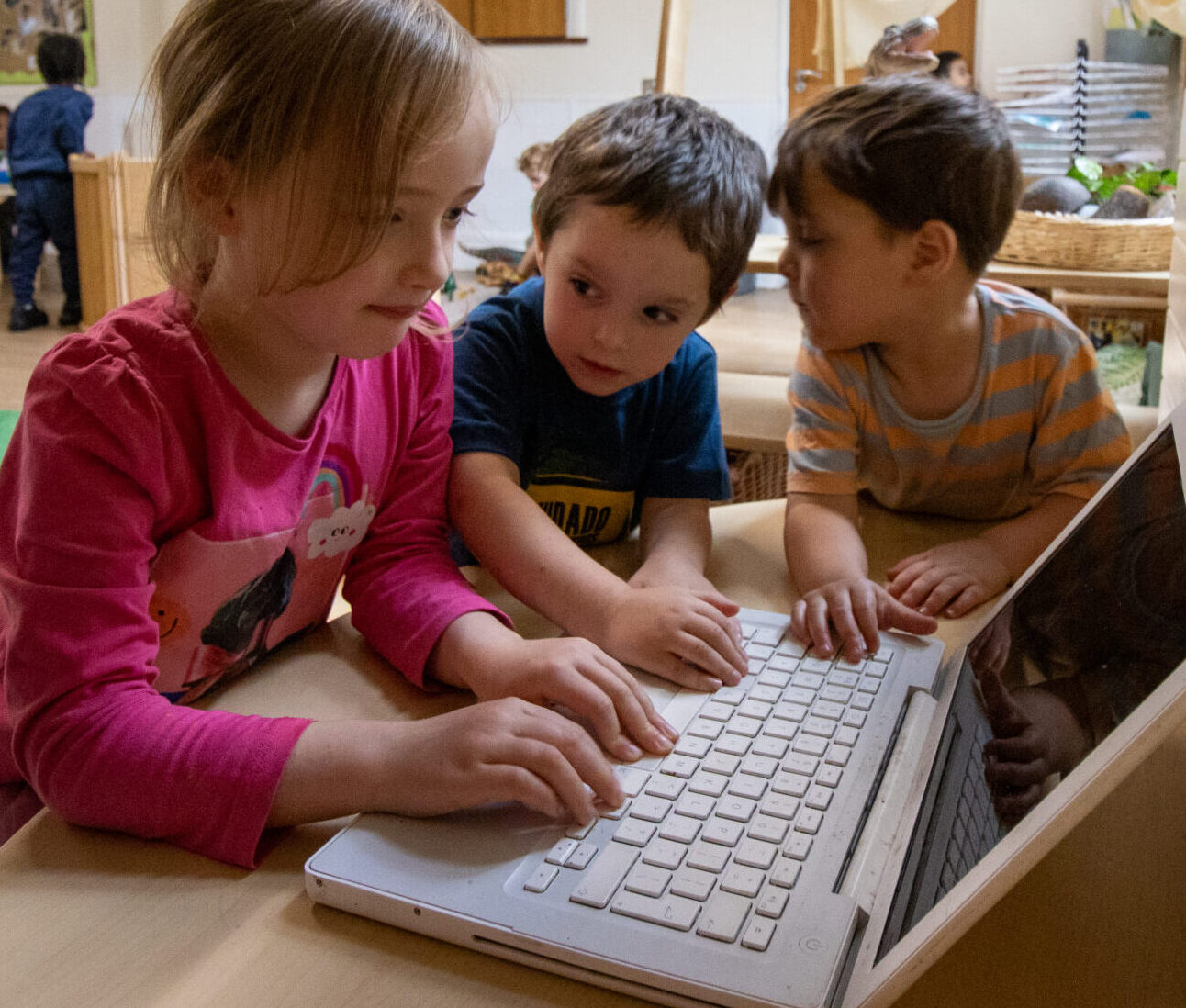
Why read this Practical insight for parents worried about screen time and early development Explains how AI and the digital environment shape childhood, not just device…