
A King’s Award, a Flag and a Bigger Ambition: Becoming Sustainability-Informed
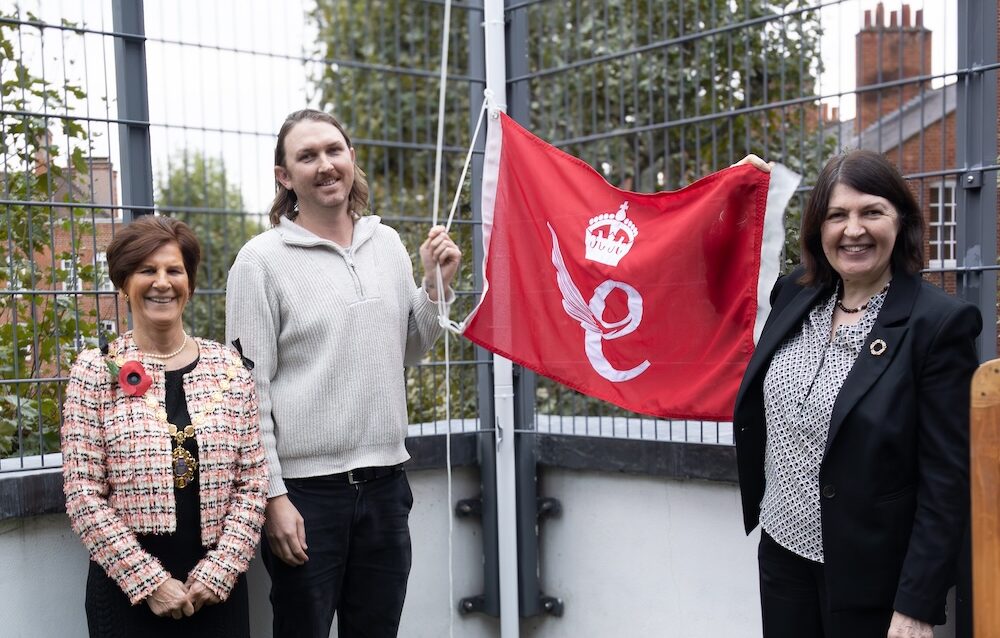
There is something rather wonderful about raising a flag. It makes an occasion feel official, even when we were trying to get the flag to blow in the wind,…
November 25th 2026
Listen to the full conversation on Youtube here
Quite a lot, as it turns out! When we talk about Education for Sustainability (EfS), the conversation often begins with children growing vegetables, composting food waste or learning to care for the natural world. All very important, of course, but what about the sheets on their beds, the aprons they wear or those dreadful disposable plastic shoe covers? Who makes them? Where do the materials come from? What happens when they wear out? And could we do things differently?
These were some of the questions we explored in our latest Action for Sustainability podcast when Nick Corlett and I were joined by Jenny Holloway, founder of Fashion Enter, a social enterprise supporting ethical garment manufacturing, skills and employment in London.
Jenny and I share a belief that social enterprise combines commercial acumen with social purpose. It is not always the easiest way to run a business, but it is certainly a more interesting one!
Our partnership with Jenny began several years ago when we discovered something called end-of-roll fabric. Perfectly good material left over from manufacturing orders, often destined to sit unused or become waste. Why not turn it into something useful?
So began our experiments with children’s aprons, sheets, tote bags, tabards and reusable shoe covers. The latter were inspired by a visit to French nurseries where I spotted towelling shoe covers instead of the usual disposable plastic ones. Not every experiment worked first time, but that is the joy, and occasional frustration, of innovation!
I also introduced Jenny to other nursery groups, including Kids Planet, which now works with Fashion Enter to produce cot sheets. It demonstrates how nursery groups can rethink procurement, looking beyond the cheapest price to consider quality, durability, ethical production and environmental impact. Could your organisation work with Fashion Enter too?
Jenny’s work goes well beyond manufacturing. Fashion Enter supports apprenticeships, teaches sewing and production skills and works with major brands to repair clothing rather than throw it away. She described how their repair centre has grown to work with 19 brands, including Patagonia. They have also transformed
London Marathon banners into bags and repurposed unsold music merchandise into new garments. But it was the human element that particularly struck me.
Jenny spoke about the pride and extraordinary skill of her machinists, some of whom have worked with her for 16 years. I wondered why she hadn’t encouraged them to enter The Great British Sewing Bee. Her description of watching a machinist insert a zip with extraordinary precision and speed reminded me how easily we undervalue practical skills.
Sewing, repairing, making and creating are not simply old-fashioned crafts. They are skills that support confidence, employment, wellbeing and independence. Jenny described a programme with the NHS where participants reported improvements in their confidence and wellbeing through learning these skills. That is social sustainability in action. It is also about social justice, recognising the dignity and value of skilled work and ensuring people have opportunities to learn, contribute and earn a living.
At LEYF, we are working to become a sustainability-informed organisation, which means bringing together the three pillars of sustainability: economic, social and environmental. Of course, our teachers need to understand sustainability and make it meaningful for children. But the responsibility cannot rest with teachers alone.
It must shape our leadership, governance, operations, partnerships and procurement.
Every purchasing decision tells a story about our values. Are we buying the cheapest item or the one that lasts? Could something be repaired? Can we source locally? Are we supporting ethical employment and reducing waste? And who better to help us answer these questions than partners who understand the challenges and are willing to find solutions with us?
Jenny’s work demonstrates why partnerships matter. She brings expertise we don’t have, challenges our thinking and helps turn our sustainability ambitions into practical changes. Sustainability-informed organisations are not built by people working in isolation. They are built through relationships, curiosity and the willingness to do things differently.
So next time you pick up a nursery apron, look at a pile of discarded fabric or watch The Great British Sewing Bee, perhaps ask yourself a different question.
Not simply, “What can we teach children about sustainability?” but “What does the way we run our organisation teach children about the world we want to create?”
Listen to our latest Action for Sustainability podcast with Jenny Holloway and discover how a partnership between a nursery organisation and a fashion manufacturer can help make sustainability everyone’s business.
There is something rather wonderful about raising a flag. It makes an occasion feel official, even when we were trying to get the flag to blow in the wind,…
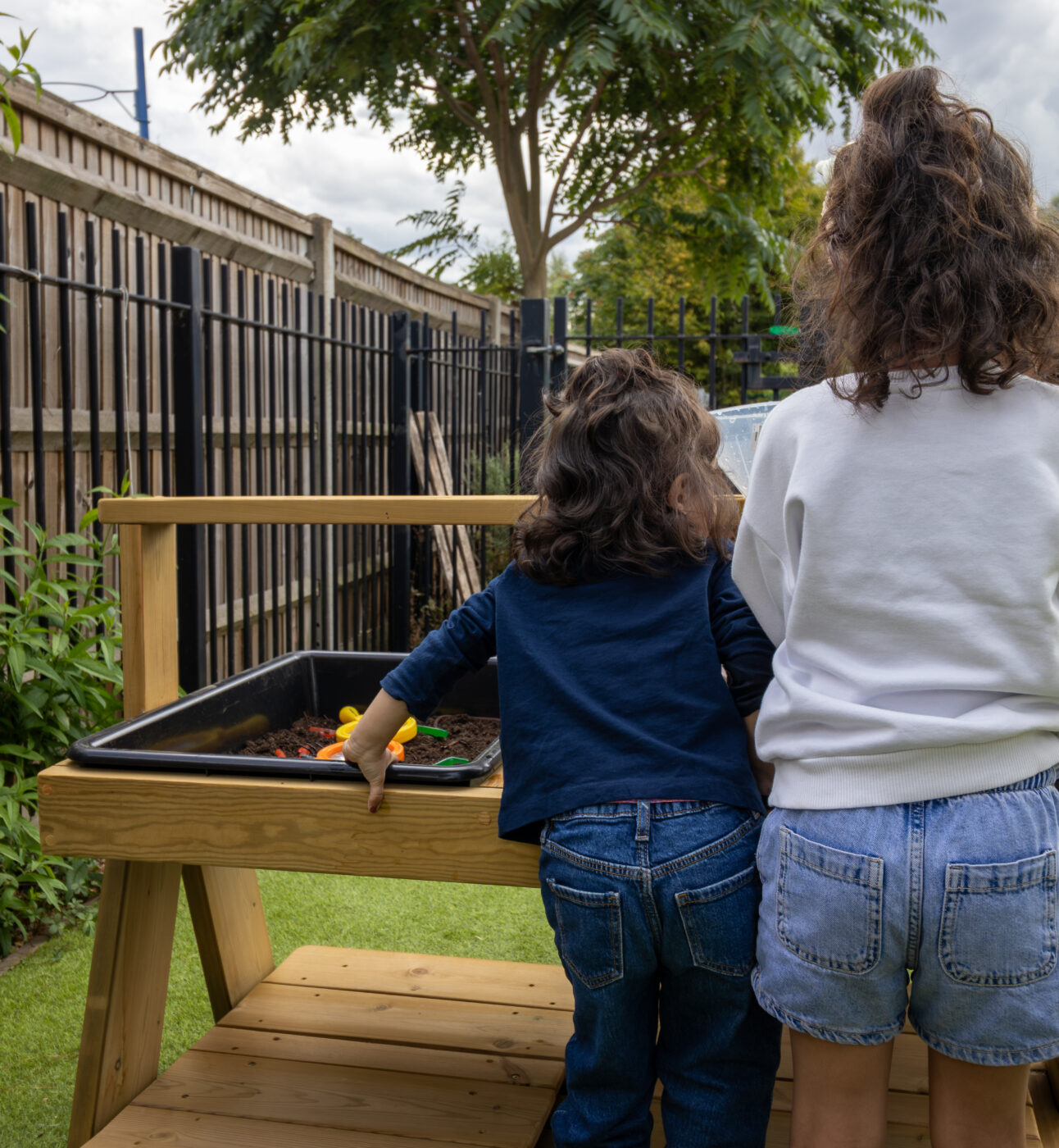
Zoe Raven’s Sustainability in the Early Years: An Essential Guide for Educators, written with Santa Svike and Becky Watanabe, felt very familiar to me because much of their approach reflects…
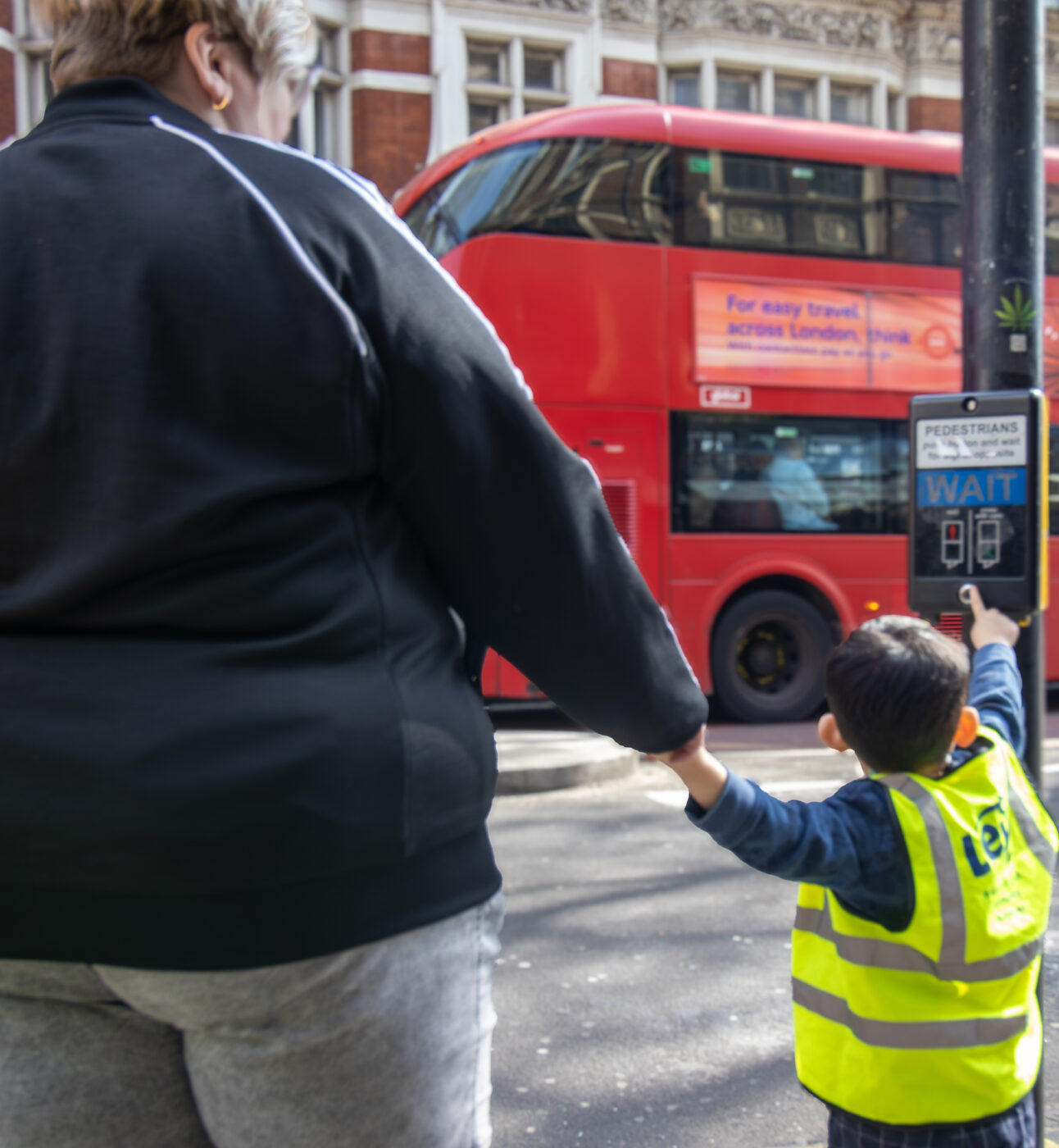
We spend a great deal of time in Early Years thinking about what children eat, what they drink, how much they move and whether they spend enough time outdoors.