
Digital Literacy in Early Years: It’s About Pedagogy, Not Screens
Even in a digital age, nobody goes to a good conference without a notebook. I spent three days at the 34th EECERA Conference at the University of Madeira…
November 3rd 2026
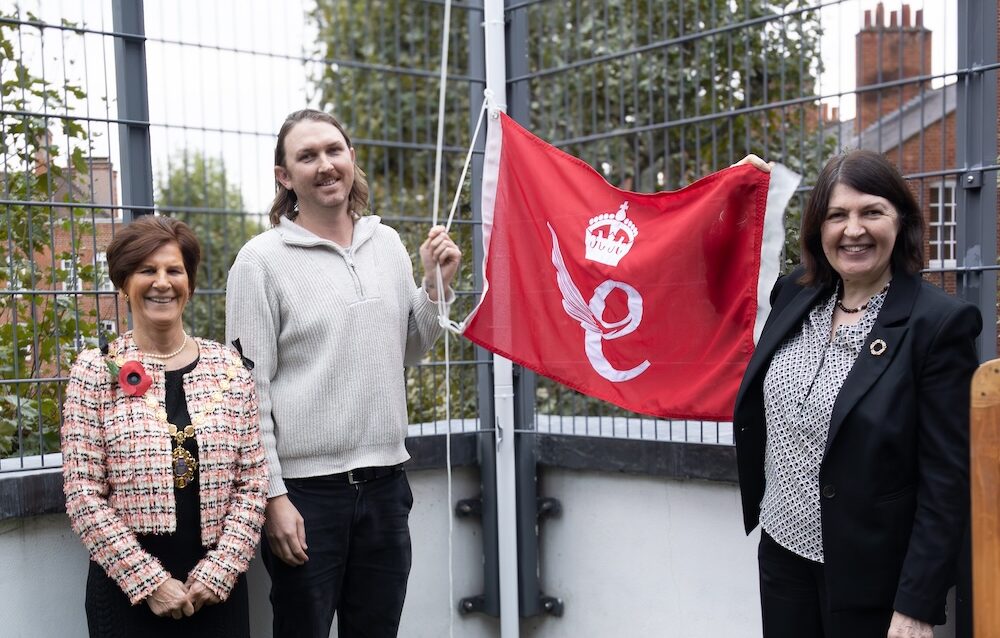
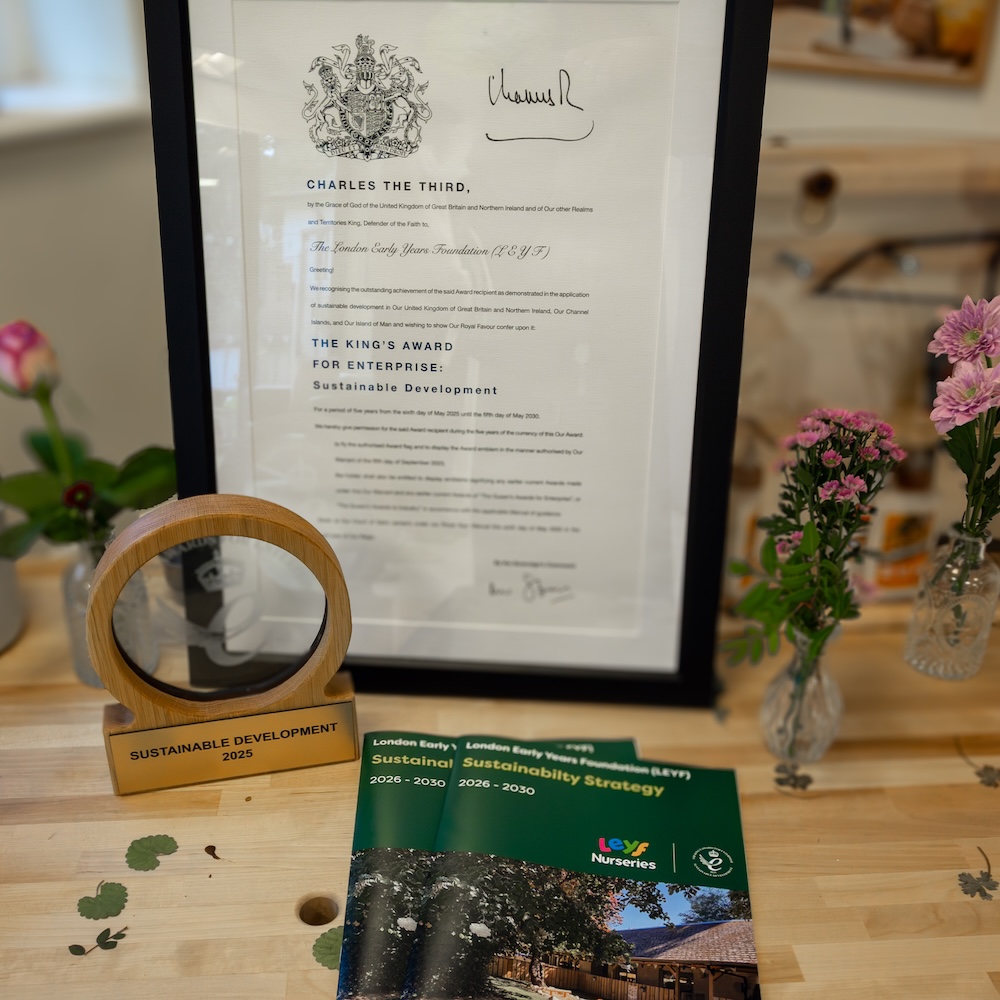
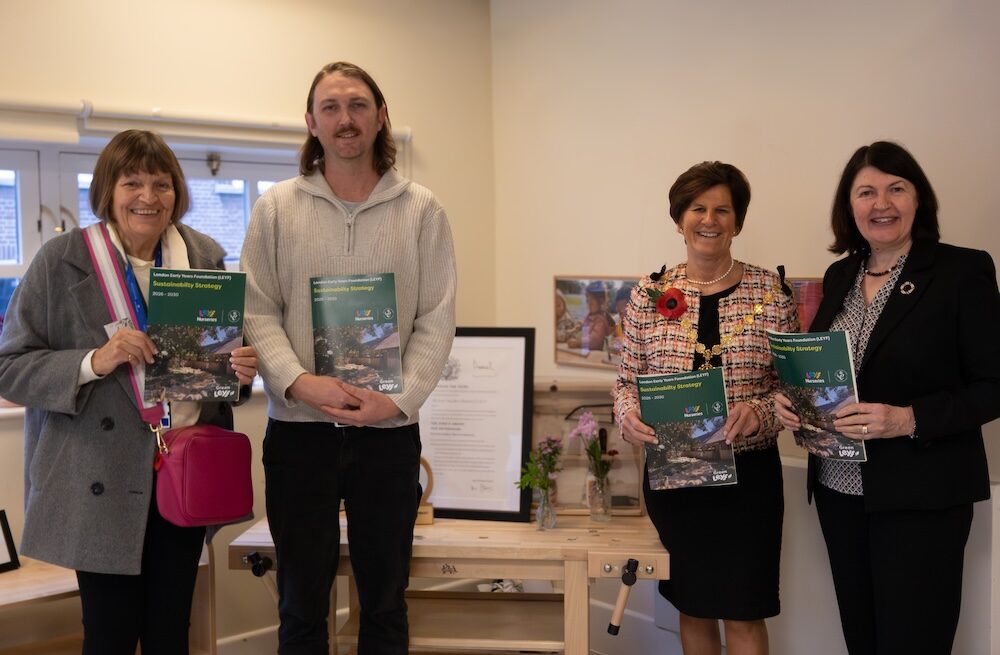
There is something rather wonderful about raising a flag. It makes an occasion feel official, even when we were trying to get the flag to blow in the wind, a strange contrast to the last few stormy days. The flag was celebrating our King’s Award for Enterprise in Sustainable Development, which we received in 2025. It is a tremendous honour and recognition of the work of colleagues and partners who have helped us turn sustainability from our initial strategy in 2021 into everyday practice through our Governance, Leadership, Operations and Pedagogy, what we call GLOP. From decisions made by our Board to the food served in our nurseries; from procurement and staff development to the environments we create for children, sustainability is shaping how LEYF operates.
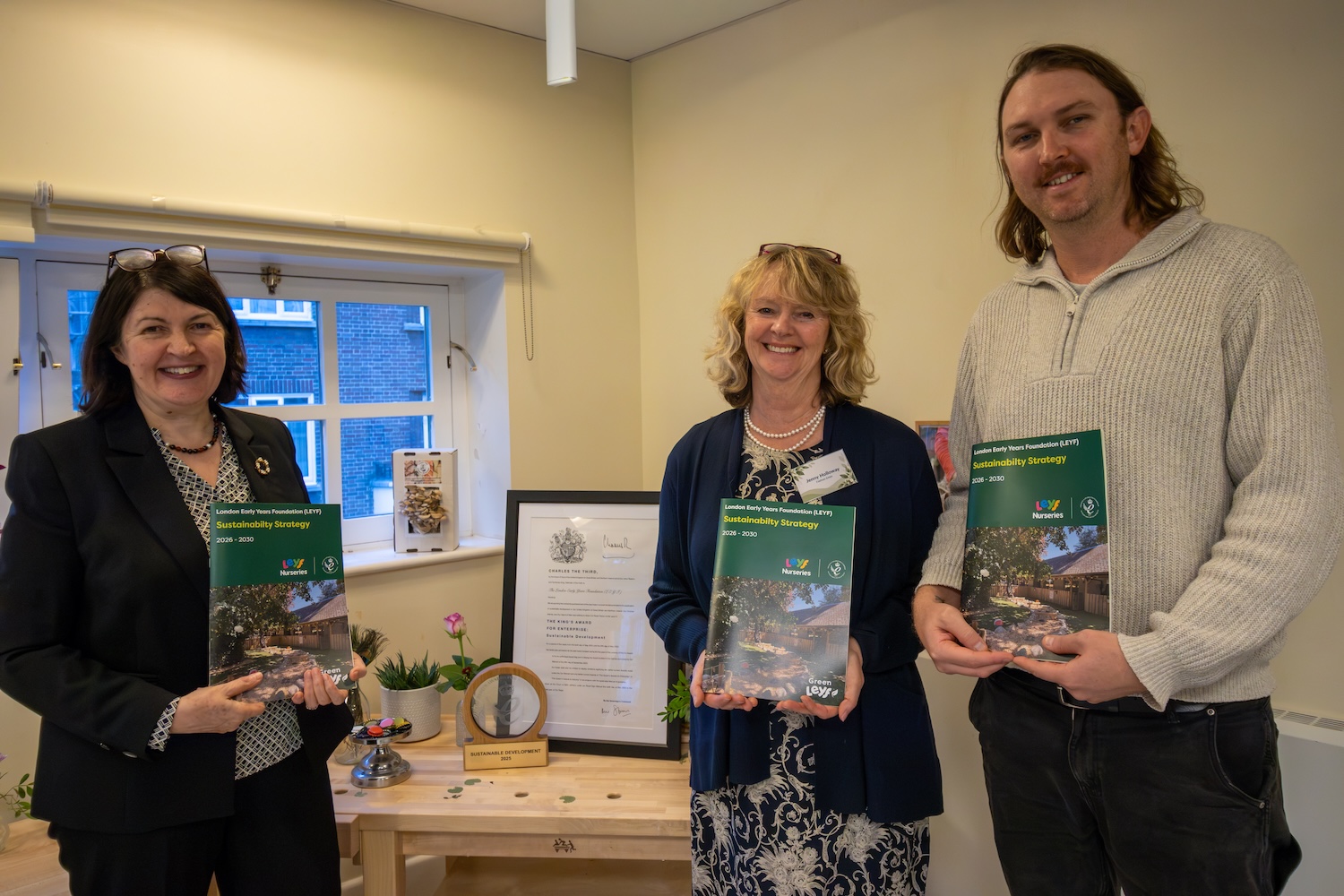
I am enormously proud of this achievement. But I am also very conscious that an award is a milestone, not a finishing line. So, alongside the flag-raising, we launched our new LEYF Sustainability Strategy 2026–2030. And this time, our ambition is bigger. We don’t just want to do more sustainable things. We want to become a sustainability-informed organisation.
At LEYF, we have always argued that sustainability is social justice in action. It starts in the earliest years where we learn to tread lightly on the planet. After all, what is sustainable about a society where some children have access to excellent early education while others are excluded because of poverty, disability or circumstance? Or an organisation that reduces its carbon footprint but neglects the wellbeing of the people working within it?
This is the central ambition of our new strategy. Being sustainability-informed means understanding that our everyday choices have economic, social and environmental consequences. It means recognising the connections, questioning what we do, making informed decisions and taking action.
Sustainability is everybody’s responsibility, whether you are a chef, teacher, manager, apprentice, administrator or trustee. That means building colleagues’ knowledge and confidence, encouraging thoughtful conversations, and giving people the opportunity to investigate and improve their own practice. Sustainability is not another task to add to an already busy day. It is a better way of thinking about the tasks we already do.
For me, one of the most important parts of our strategy is how children experience sustainability. Children do not learn about sustainability simply because we put a recycling bin in the corner or organise a special Green Week. They learn through their relationships, their environments and the opportunities we create for them to explore, question and participate.
In our research, That’s Disgusting! children used cameras to photograph things they disliked in their local neighbourhoods. They noticed rubbish, dog mess, roadworks and places that adults often overlooked. They had opinions about their environment. They recognised when people were not caring for it. And they had ideas about what could be improved. Children are not simply the future recipients of a planet that adults have managed, or mismanaged. They are citizens now, with rights, views and the capacity to influence their world.
Our new strategy is about moving from knowing to doing, and from individual projects to lasting organisational change. We will build on what is already working, change what needs to improve and transform the way sustainability is understood and practised across LEYF. The King’s Award flag is a wonderful symbol of what our colleagues have achieved together. But the real achievement will be what happens next.
Will we make more thoughtful decisions? Will we challenge wasteful habits? Will we support colleagues to flourish? Will children have more opportunities to investigate, question and influence their environments? Will our partnerships help us achieve more than we could alone?
This is a route to becoming a sustainability informed organisation where people understand the consequences of their choices and have the confidence, knowledge and agency to make a difference.
Even in a digital age, nobody goes to a good conference without a notebook. I spent three days at the 34th EECERA Conference at the University of Madeira…
A Right to be Children: The Importance of the Design Architecture Good architecture combines…
Nursery photography plays an important role in how families choose an Early Years setting. Photographs help parents understand a nursery’s environment, values and approach to learning. For many providers, childcare…