
AI, Care and the Curriculum: Where Should We Draw the Line?
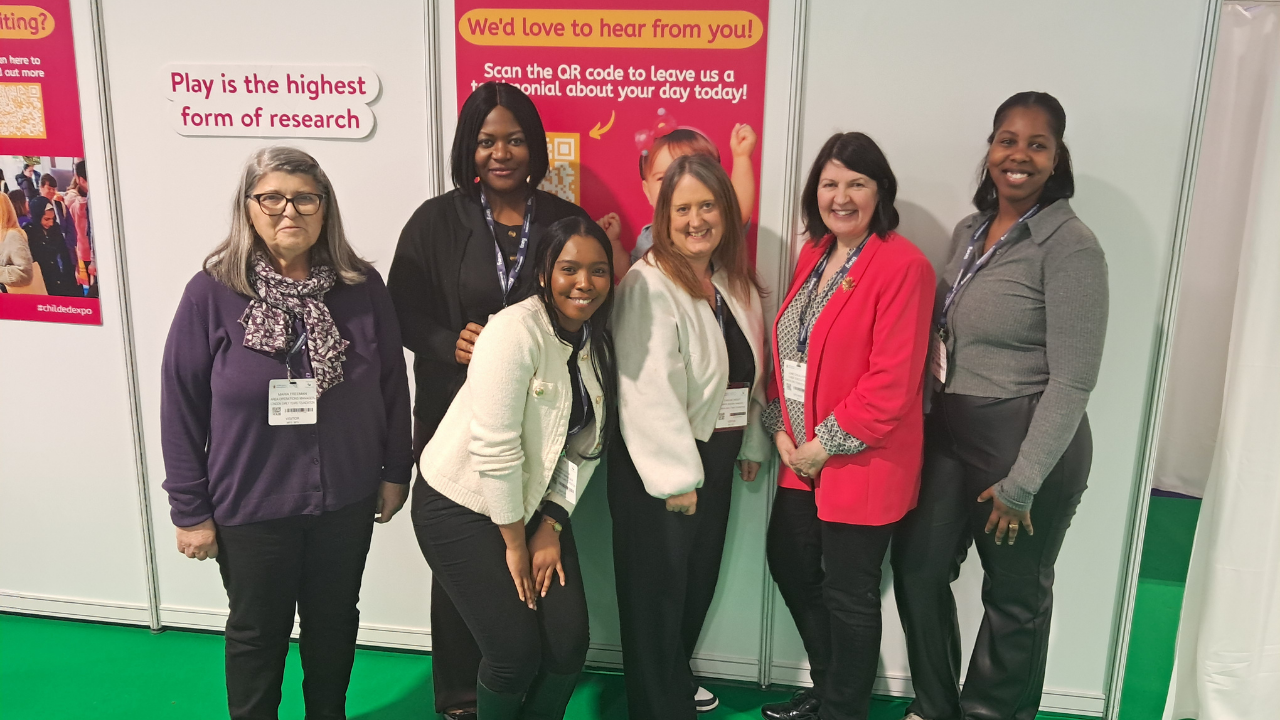
I was delighted to sit on a panel at the Childcare Expo to discuss artificial intelligence (AI), a subject that has been gathering momentum across the media, not least…
August 28th 2014
“If we do not keep on speaking terms with children, we become merely machines for eating and earning money”
John Updike, Quoted in Arnold 2014 pg. 1
Over the last few weeks I have hosted a number of meetings with colleagues from East and West. Our Chinese friends came back to gain some more understanding of the LEYF model and our American and German friends were interested in how to use the social enterprise model to sustain their growing social businesses. Then my friends at Community Playthings sent me a new book Their Name is Today by one of their elders Johann Christophe Arnold.
What struck me about all these three connections was we all shared the same language of children. We all talked about the importance of allowing children to be children for as long as possible and the misguided modern rush to getting them to grow up. Arnold’s book is a warm hearted exploration of what it means to be a child in today’s developed and developing world. I have never met him but we speak the same language.
He quoted some of the people I like to mention when I write. He refers to Friedrich Froebel and described Froebel’s’ gift as his ability to see life though a child’s eye. I did my MA in Early Years and Primary Studies at Froebel College and it was there I became enamoured by his work. His understanding that play is the highest expression of human development in childhood, in fact I believe play is the language of childhood. Clearly, Arnold also believes this and quoted a report I also use called Crisis in the Kindergarten by Edward Miller and Joan Almon which is a depressing analysis of how play continues to vanish from young children’s lives. Arnold also quotes Australian Maggie Dent who reflects the same phenomenon in Australia which she says is
“… disabling our children by stealing their capacity to use play to learn, to explore, to question and to solve problems without adults assistance”
Arnold pg. 23
Arnold suggests that quite often people can talk about the situation but they don’t have the wherewithal to do something. He thinks they feel resigned and dis-empowered by continual changes; another policy, new legislation, a new Minister, an economic disaster, a human crisis and so it goes on. But, like me he is an optimist and argues that we need to speak out beyond the walls of our home or classrooms.
So let’s use our shared language to remind people able about what matters, let’s find ways to explain to the public why we want everyone to value childhood. Arnold quotes Plato who said ‘what is honoured in a country is cultivated there.’
Can you share the importance of childhood so it is both honoured and cultivated in Britain today?
I was delighted to sit on a panel at the Childcare Expo to discuss artificial intelligence (AI), a subject that has been gathering momentum across the media, not least…
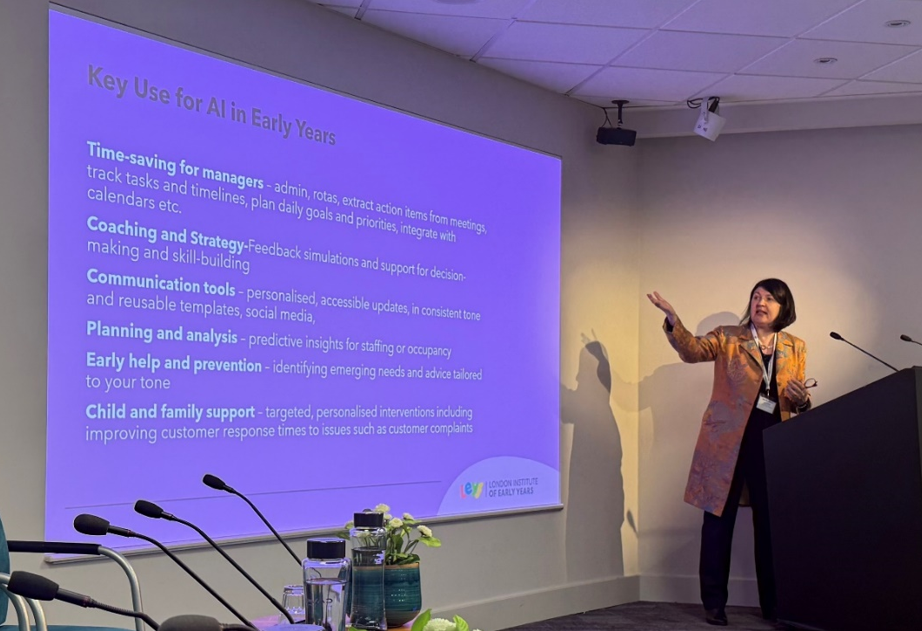
Why read this article? Understand why artificial intelligence is becoming an important issue for the Early Years sector Reflect on the relationship between AI, care and…
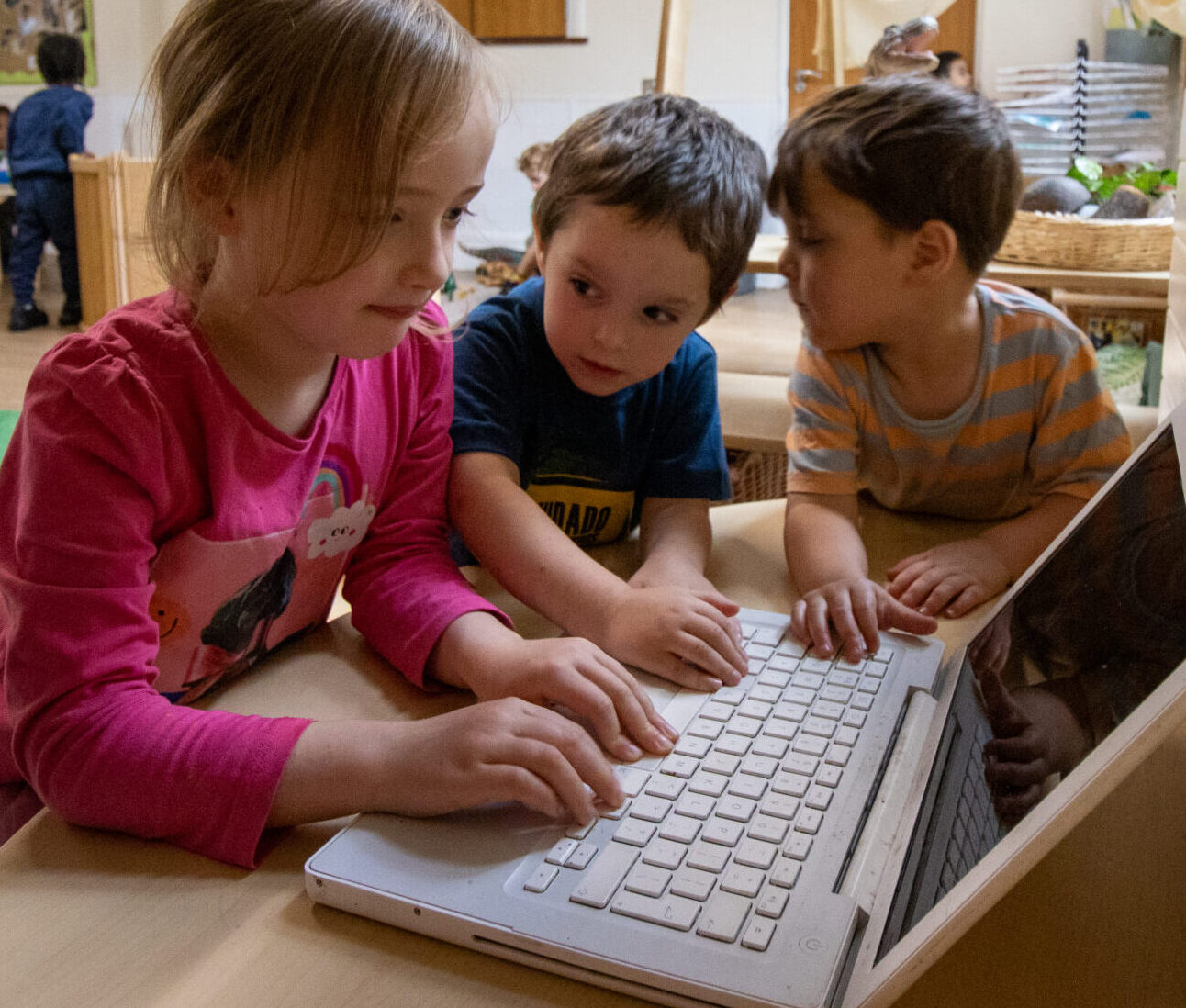
Why read this Practical insight for parents worried about screen time and early development Explains how AI and the digital environment shape childhood, not just device…